 Board games
Shogi
Protect your king, promote your pieces and bring captured pieces back into the fight.
Protect your king, promote your pieces and bring captured pieces back into the fight.
Getting a board
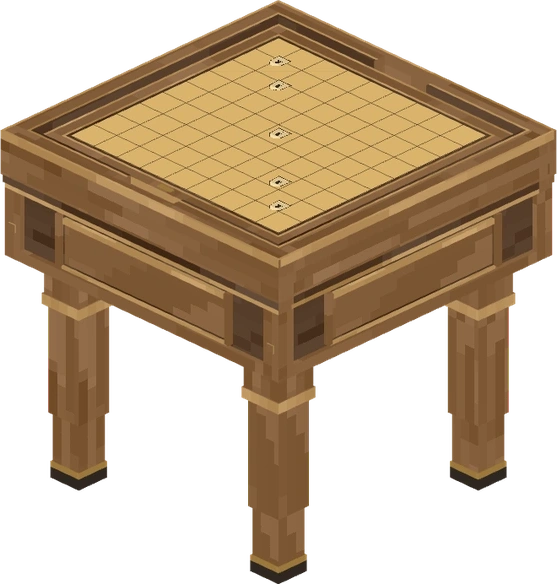
Section titled “Getting a board”Craft a Shogi Board and fit it into a Small Game Table. Place matching Game Chairs facing the table, then take a seat.


- 1 ×Gold nugget
- 7 ×Any planks
- 1 ×Yellow wool
How to play
Section titled “How to play”Open the fitted board to make your moves. How to play in the side tray gives you the same lessons with illustrations inside the game.
Protect your king
Section titled “Protect your king”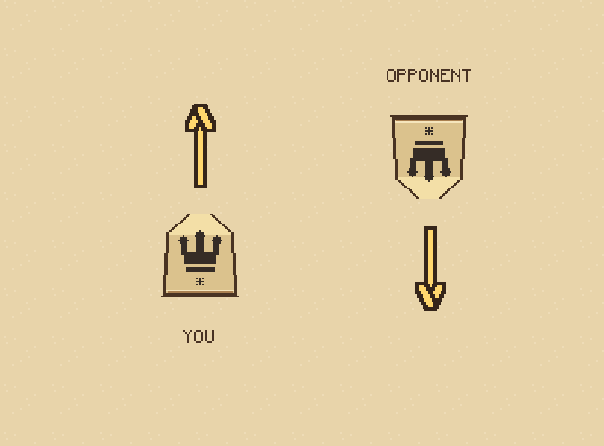
Pieces point toward your opponent. Take turns moving one piece.
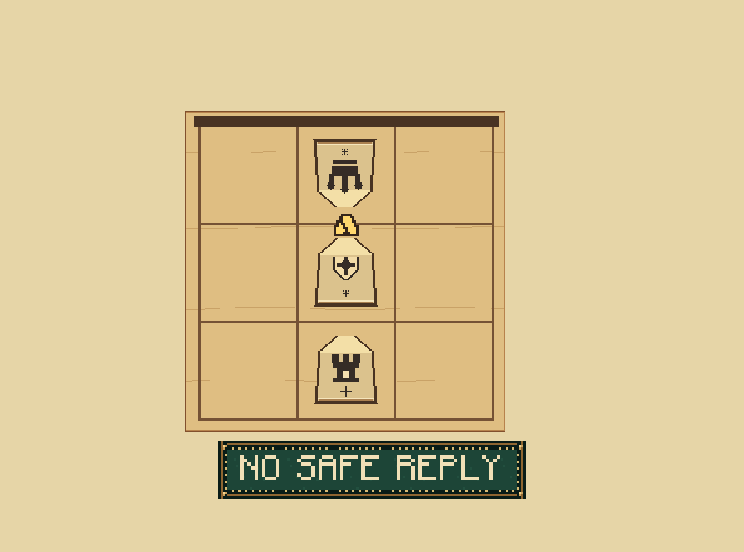
Win by attacking the king so it has no safe reply.
Forward pieces
Section titled “Forward pieces”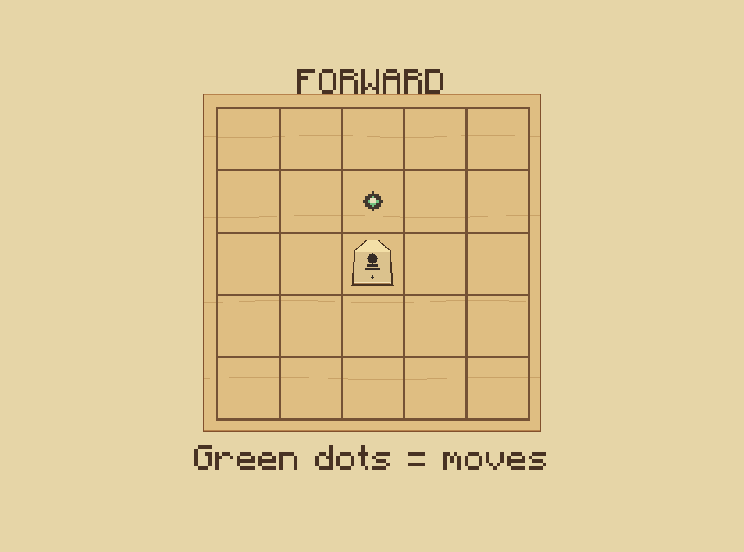
Move one square forward. Pawns capture forward too.
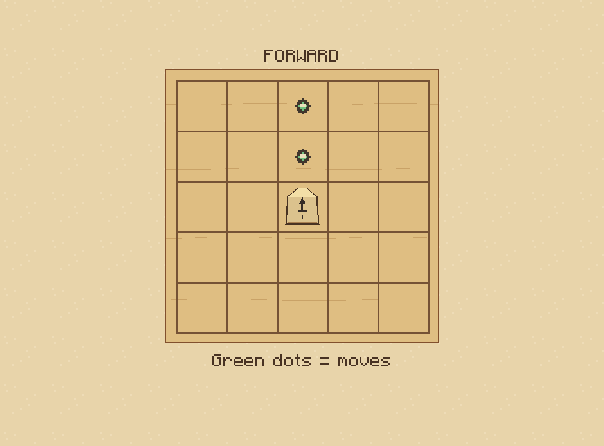
Slide forward any distance. Stop before your own piece; capture the first enemy.
Jump or step
Section titled “Jump or step”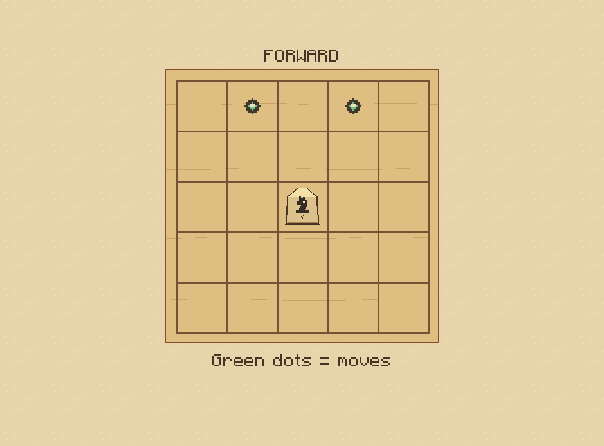
Jump two squares forward and one sideways. Only knights jump over pieces.
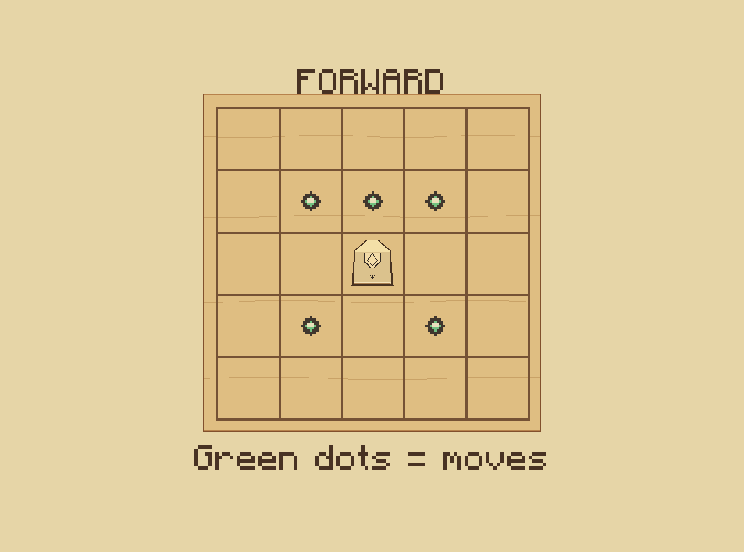
Step forward or diagonally. It cannot step sideways or straight back.
Close protection
Section titled “Close protection”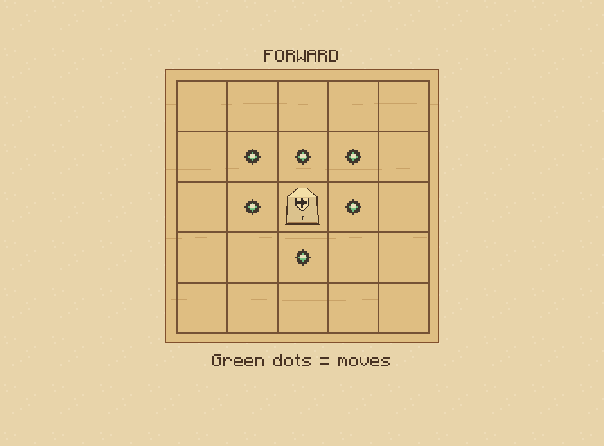
Step to a neighbour, except the two backward diagonals.
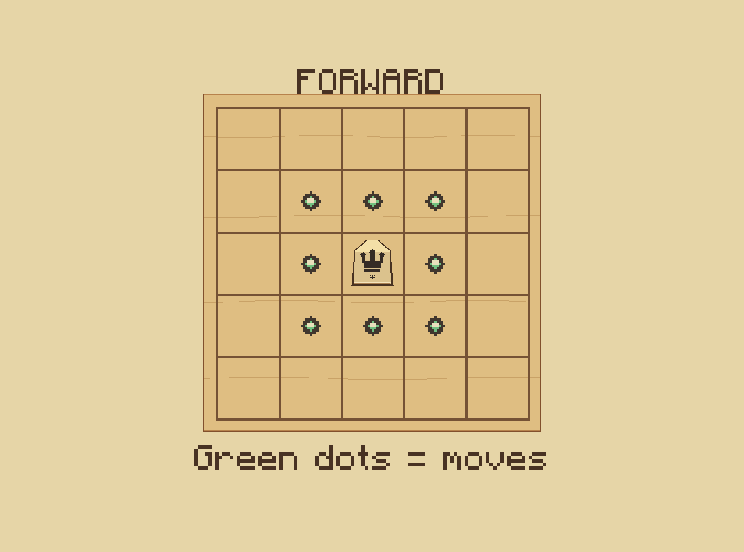
Step to any neighbour, but never into an enemy attack.
Sliding pieces
Section titled “Sliding pieces”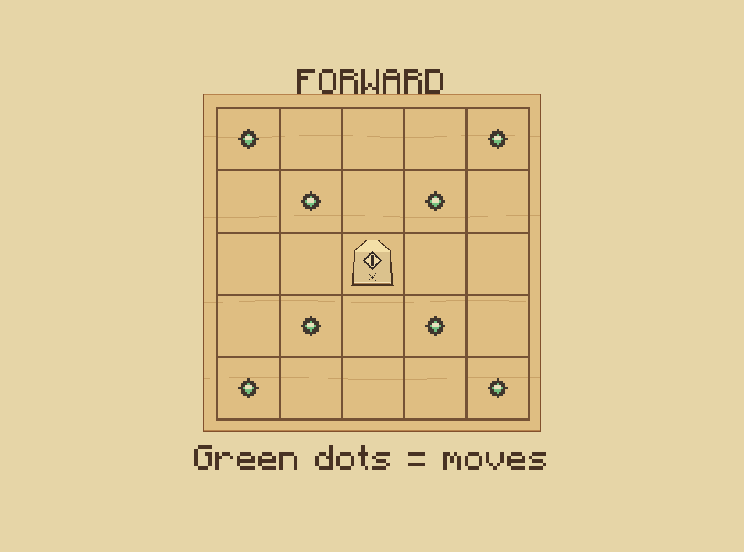
Slide diagonally any distance. Other pieces block the path.
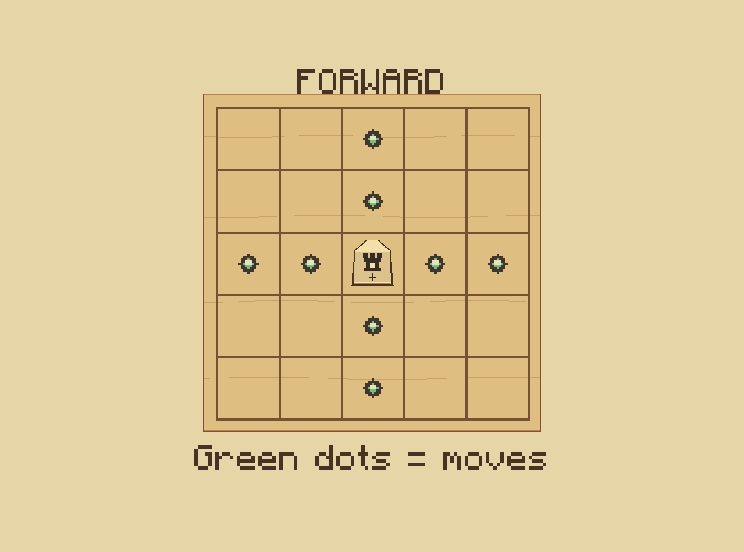
Slide across or down any distance. Other pieces block the path.
Stronger sliders
Section titled “Stronger sliders”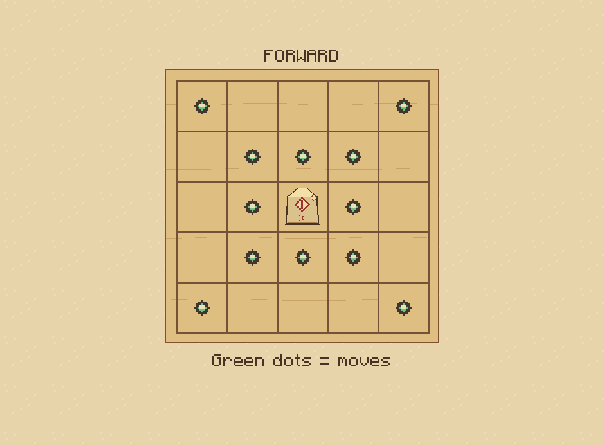
A promoted bishop keeps its diagonals and gains one-step straight moves.
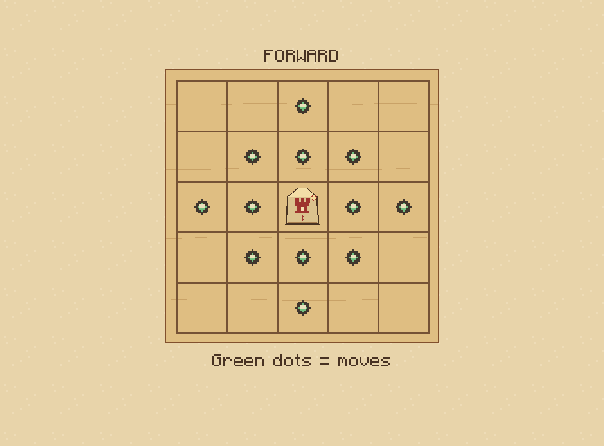
A promoted rook keeps its straight moves and gains one-step diagonals.
Captured pieces join you
Section titled “Captured pieces join you”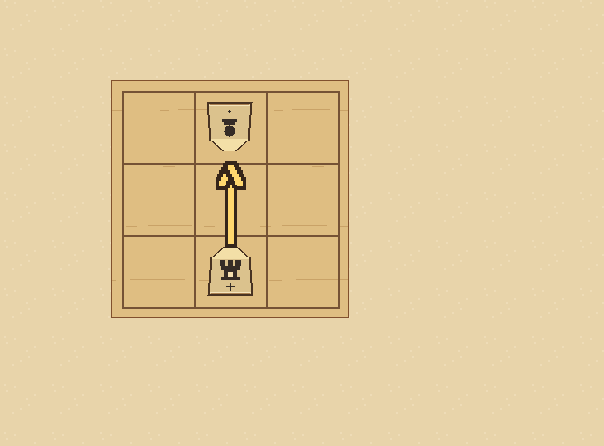
Land on an enemy piece to capture it. Its promotion is removed.
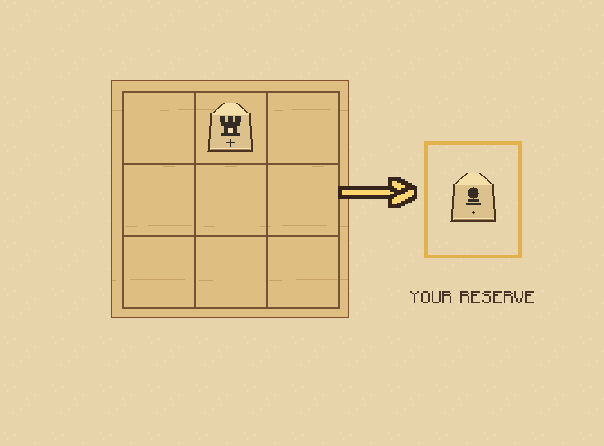
The captured pawn becomes yours and waits beside the board.
Drop instead of moving
Section titled “Drop instead of moving”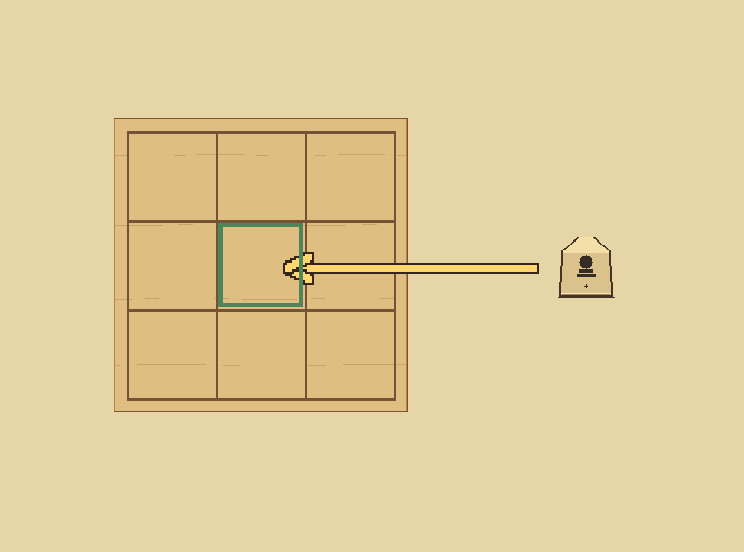
Spend your turn placing a captured piece on an empty square, unpromoted.
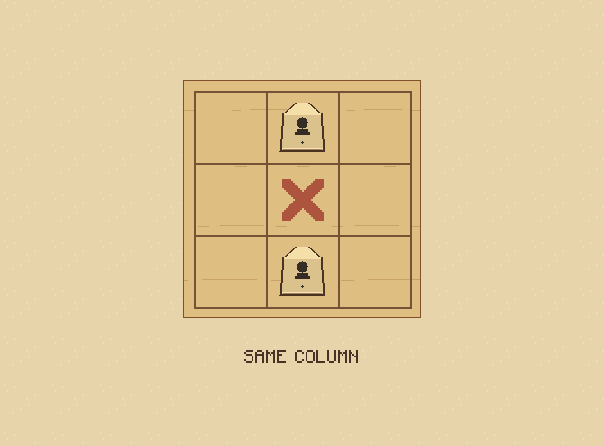
You cannot drop a pawn in a column already holding your unpromoted pawn.
Promote in the far camp
Section titled “Promote in the far camp”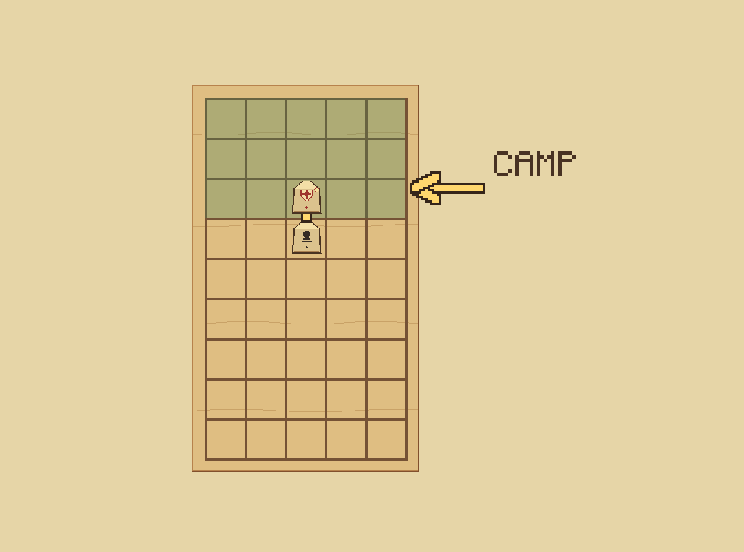
You may promote when a move starts or ends in the opponent's three back rows.
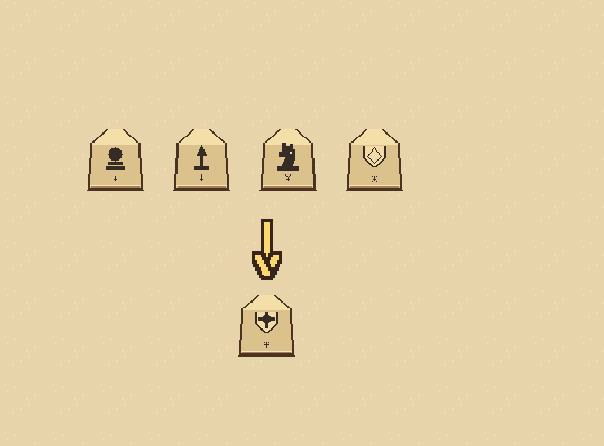
Pawn, lance, knight and silver promote to gold moves. Kings and golds never promote.
You must answer check
Section titled “You must answer check”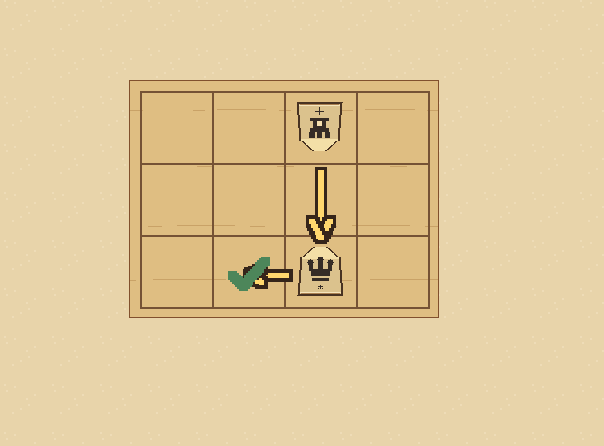
Move your king, capture the attacker or block its path. The game only offers safe moves.
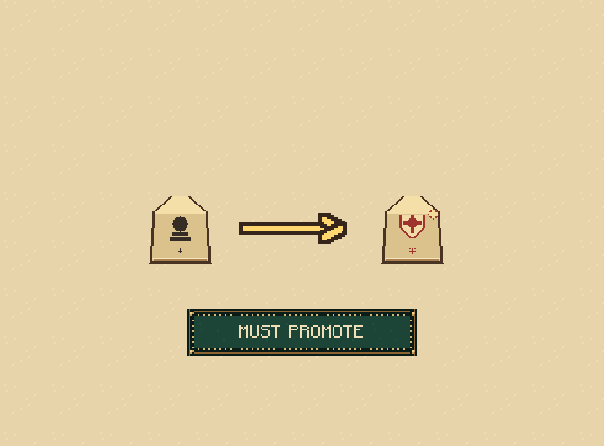
Promote if a pawn or lance reaches the last row, or a knight reaches the last two.
Rules in more detail
Section titled “Rules in more detail”Drops must be playable
Section titled “Drops must be playable”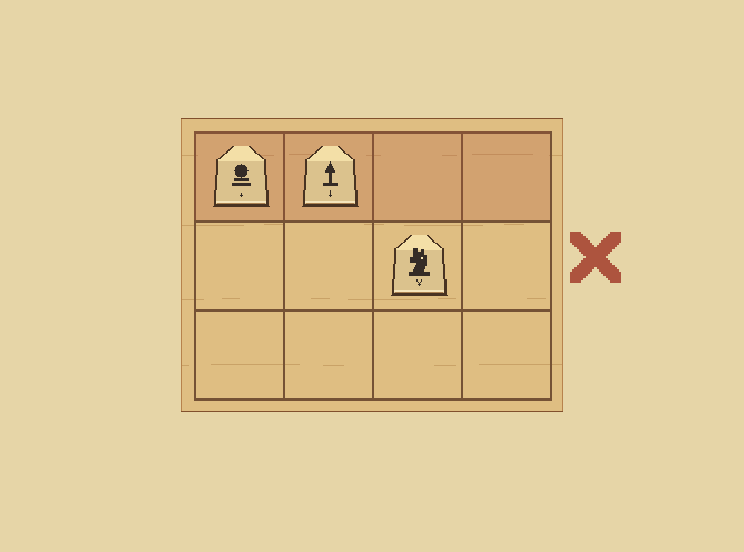
No pawn or lance on the last row; no knight on either of the last two rows.
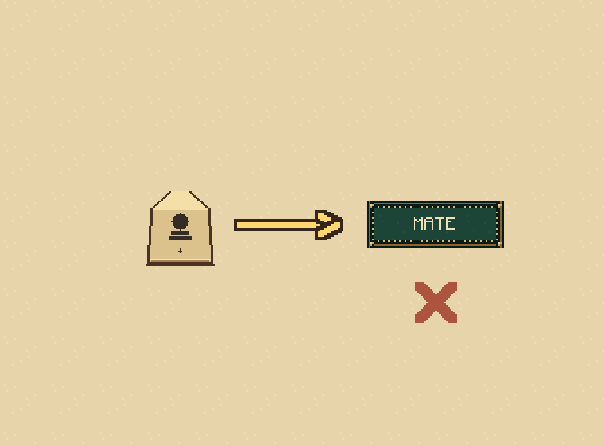
A pawn drop may check, but may not give immediate checkmate. Other drops may mate.
Unusual endings
Section titled “Unusual endings”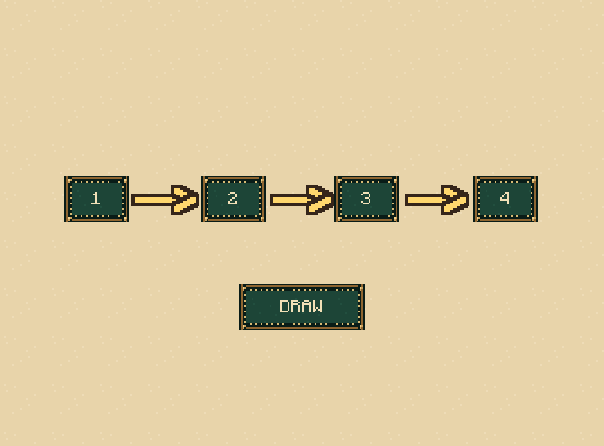
Four identical positions draw, unless one player keeps checking: that player loses.
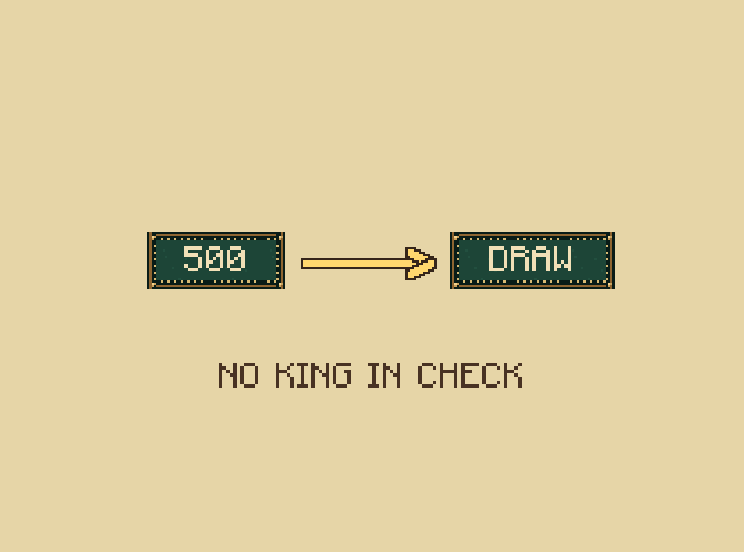
At 500 moves, draw once neither king is in check. A checking sequence postpones it.
Entering-king declaration
Section titled “Entering-king declaration”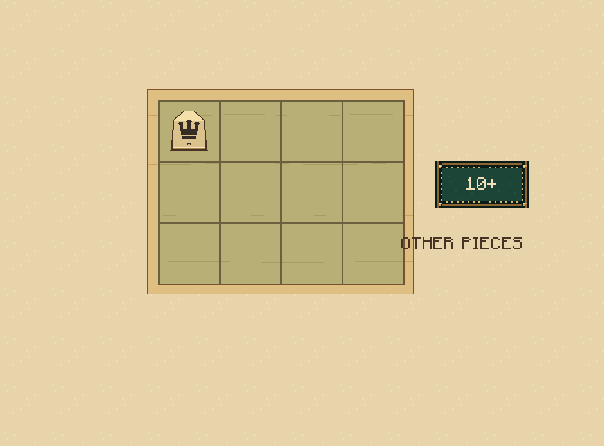
Your king must be in the far camp, not checked, with at least ten other friendly pieces there.
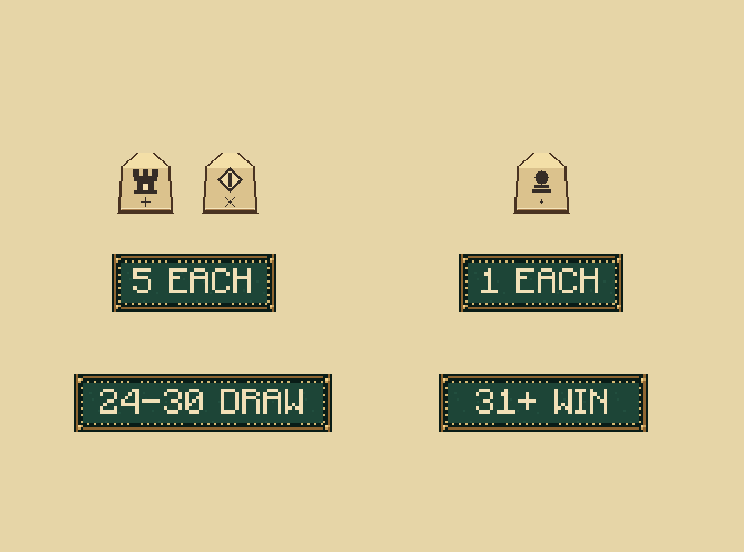
Count camp pieces and reserves: rook/bishop 5, others 1, king 0. 24-30 draws; 31+ wins.
Drops, promotion and repetition
Section titled “Drops, promotion and repetition”You cannot drop an unpromoted pawn on a file where you already have one, and pawn-drop mate is forbidden. A pawn or lance must promote on the last rank; a knight must promote on either of the last two ranks. Captured promoted pieces return to your hand unpromoted. Four occurrences of the same position normally give a draw, but a side responsible for perpetual check loses instead. Entering-king declaration has its own eligibility and point requirements.
Keep playing
Section titled “Keep playing”Use Rematch after the result to play again. To pause an unfinished match, the table owner can remove and keep its board.
See seats and solo play for multiplayer and Play alone, or item stakes if you want to agree on a pot.